
Windows and doors take a beating in New England. They face wind-driven rain in spring, humid summers and months of freezing temperatures, and they open and close thousands of times a year. Eventually something gives, but the first symptoms are often small and easy to ignore.
These are the signs we look for when homeowners in Needham, Wellesley and Everett ask whether it is time for new windows or doors, and what can be repaired instead.
Drafts you can feel
On a windy winter day, hold your hand or a candle near window sashes, door edges and the trim around them. Moving air means worn weatherstripping, gaps in the frame, or missing insulation and air sealing around the unit.
Weatherstripping is inexpensive to replace and sometimes solves the problem. If drafts come from around the frame itself, the window or door may have been installed without proper air sealing, which often means removing trim to correct it, an ideal moment to consider replacement.
Fogging between the panes
Condensation inside a double-pane window means the seal between the panes has failed and the insulating gas has escaped. The window loses much of its insulating value and the fog will not clean off.
Depending on the window, the glass unit or sash can sometimes be replaced alone. When multiple windows in a home are fogging, it usually signals the original units are reaching the end of their life.
Soft wood and rot
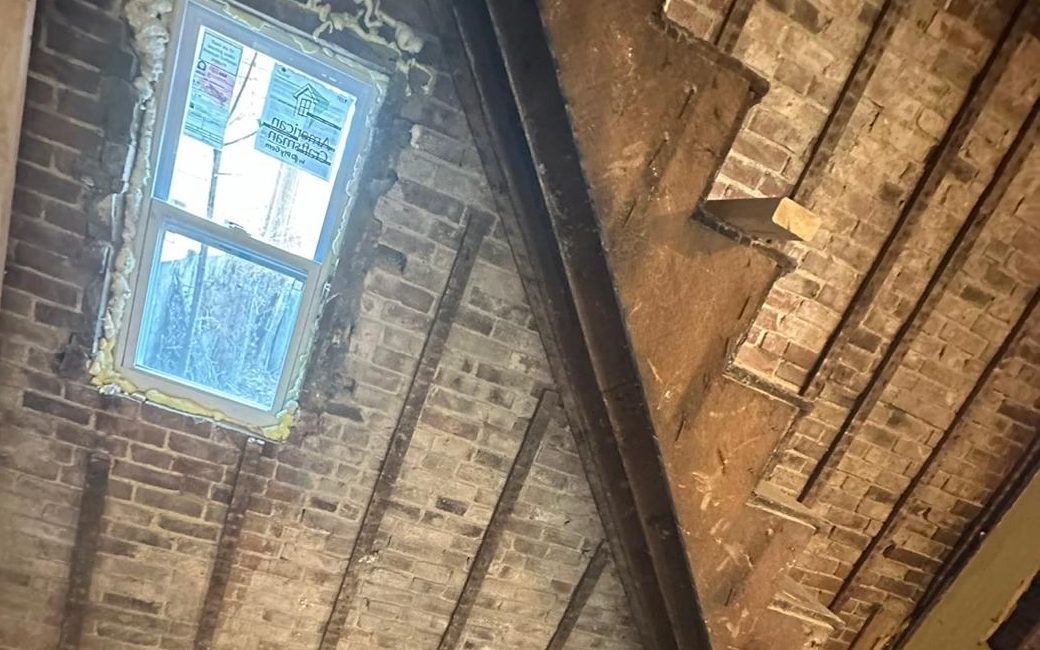
Push a screwdriver gently into exterior sills, the bottom of door frames and the lower corners of window trim. Soft wood that gives way indicates rot, typically caused by water that was not properly shed away from the opening.
Small areas can be repaired with epoxy consolidants or a dutchman patch. Widespread rot, especially in the sill or the framing below, usually calls for full-frame replacement so the opening can be rebuilt and flashed correctly.
Exterior doors show similar warning signs. Daylight visible around the edges, a threshold that feels loose underfoot or a stained subfloor inside the entry all suggest the door unit is no longer sealing. Adjusting hinges and strike plates can help a door that has simply sagged, but a rotted frame or sill calls for a new pre-hung unit installed on a sill pan.
Check inside, too
Water stains on interior sills, peeling paint below windows or a soft floor in front of an exterior door can reveal leaks that started outside.
Sticking, rattling and hard-to-lock units
Windows that will not stay open, sashes that rattle, and doors that must be lifted or slammed to latch point to worn hardware, swollen wood or a frame that has shifted out of square.
Hardware and adjustments can fix many of these issues. When the frame itself has moved, or the window is a painted-shut original with broken balances, replacement may give you safer, easier operation.
Rising energy bills and comfort
Single-pane windows, aluminum frames and doors without insulated cores lose heat quickly. Rooms that never feel warm near windows, or that overheat in summer sun, are good candidates for modern units with low-emissivity glass.
Massachusetts utilities sometimes offer incentives for efficiency upgrades. It is worth checking current programs before planning a whole-house window project.
Noise is another clue that is easy to overlook. Homes near busy roads in Revere, Malden or Somerville often notice traffic and neighborhood noise drop considerably after old single-pane windows are replaced with well-sealed double-pane units. Laminated glass options can reduce sound further in bedrooms that face the street, which many families find as valuable as the energy savings.
Repair or replace?
Repair makes sense when frames are sound and the problem is limited to weatherstripping, hardware, glass or small areas of rot. Historic wood windows can often be restored and paired with storm windows for good performance.
Replacement is the better path when frames are rotted, multiple seals have failed, the unit no longer operates safely, or you want better efficiency and easier maintenance. A careful assessment opening by opening often produces a mixed plan that respects both budget and the home.
Planning a replacement project
If you decide to replace windows or doors, plan the order of work around the season and the rest of your projects. Replacing windows before new siding lets the flashing be integrated with the new wall, and replacing them before interior painting means trim is installed and painted only once.
Ask for a proposal that lists each opening, the type of replacement planned, the product and the trim details. A clear, opening-by-opening scope makes it easy to compare quotes and to phase the project over more than one year if the budget requires it.
Quick checklist
- List every opening and its condition
- Decide insert or full-frame for each
- Coordinate with siding or painting plans
- Confirm permit needs with your town
The bottom line
Windows and doors rarely fail all at once, which makes it easy to put off a decision. Walk your home this season, note drafts, fog, soft wood and hard-to-operate units, and decide which openings need repair and which need replacement. A careful plan lets you spread the work over time while protecting the walls around every opening.
Frequently asked questions
Quality vinyl, fiberglass and clad-wood windows commonly last 20 to 30 years or more when installed and flashed correctly.
Yes, especially if those windows are failing. Matching style and color helps the house look consistent, and the rest can be replaced later.
Sometimes a slab door can be fitted to an existing frame, but pre-hung units with new frames and sill pans usually give better weather sealing.
Yes. Well-fitted storm windows reduce drafts and protect original sashes, and can be a cost-effective alternative to replacement for historic wood windows in good condition.
Related services

Written by the AP Tile team
Tile setters and carpenters based in Everett, MA, with more than 10 years of hands-on renovation work across Greater Boston.