

Deck Building
Decks built on solid footings, flashed at the house and made to be used
New decks, full rebuilds and serious repairs for homes in Everett, Revere, Swampscott and the North Shore, with framing you will never see and never have to worry about.
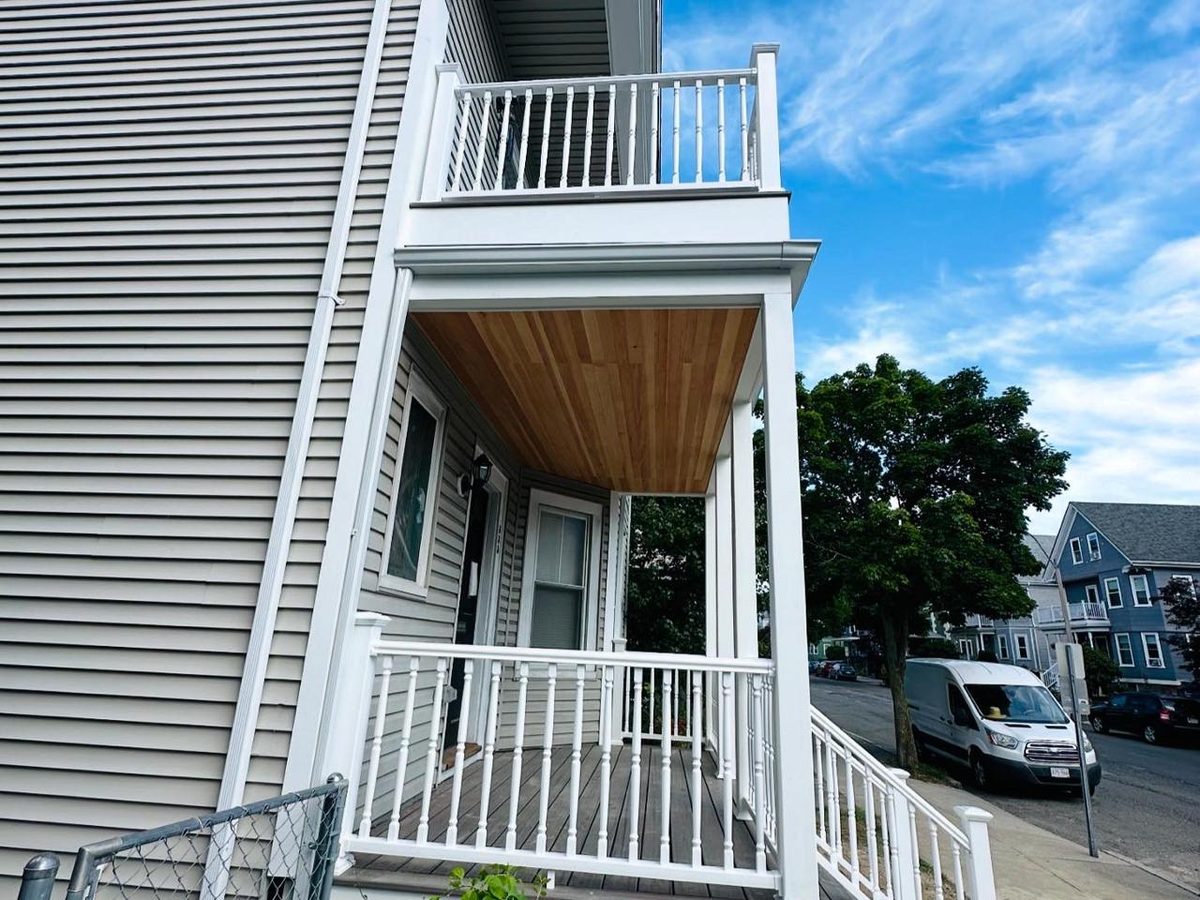
Deck Building in Everett, Revere and Swampscott
A deck is an outdoor room that hangs off the side of your house, so most of what matters is the structure underneath. Footings, beams, joists, the ledger connection to the house and the flashing that keeps water out of the rim joist decide whether a deck lasts twenty-five years or starts rotting in eight. We start every deck project there.
New England winters are hard on outdoor wood. Freeze-thaw cycles heave shallow footings, and salt air near Revere and Swampscott speeds up corrosion of cheap fasteners. We set footings below the frost line, use hardware rated for treated lumber, and choose coated or stainless fasteners where the coast demands it.
On the surface you choose the material that fits how you live. Pressure-treated pine is economical and paints or stains well. Cedar has a warm look and natural decay resistance. Composite and PVC boards cost more up front but skip annual staining. We explain the real maintenance of each instead of pushing one product.
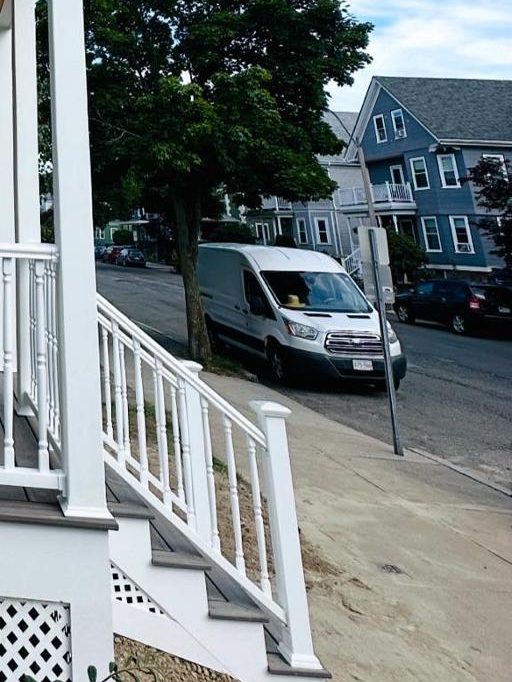
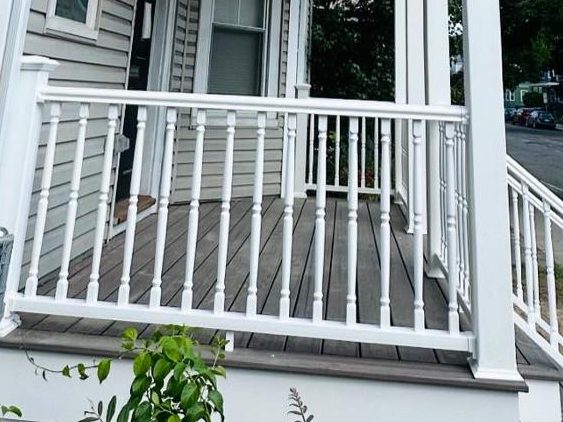
Railings and stairs are where safety and design meet. We build guards at the required height with spacing that keeps small children safe, and stairs with consistent risers, graspable handrails and solid landings. Options include wood balusters, aluminum, cable and composite systems.
If your existing deck is sound but tired, a resurfacing with new decking and rails on the original frame can be a smart middle path, but only after we probe the joists and ledger. And if the deck leads to a new patio door, our windows and doors crew can install it in the same project.
What you get
Frost-depth footings
Posts sit on footings below the frost line so the deck does not heave and sag after a few winters.
Flashed ledger connection
The board that ties the deck to your house is bolted and flashed to keep water out of the house framing.
Coast-rated hardware
Coated or stainless fasteners and connectors resist corrosion near the ocean and in treated lumber.
Honest material advice
Clear trade-offs between pressure-treated, cedar and composite, based on budget and how much upkeep you want.
Railings you can lean on
Guards and handrails are fastened through the framing, not just to the deck boards.
Inspection-ready work
Framing is left accessible for the town inspector before decking closes it up.
What is included
Structure
- Footings and post bases
- Beams, joists and blocking
- Ledger board with flashing
- Joist tape on top of framing
Surface
- Pressure-treated or cedar decking
- Composite or PVC boards
- Hidden or face fastening
- Picture-frame borders
Safety
- Guard railings at code height
- Stairs with even risers
- Graspable handrails
- Landing pads at the base
Extras
- Built-in benches and planters
- Privacy screens
- Post cap and step lighting prep
- Lattice or skirting below
Our decks process
Site visit
We measure the yard, check the house wall and grade, and talk through size, height and how you want to use the space.
Design and permit
You approve a layout and material, and we prepare drawings for the building permit when one is required.
Footings and frame
Footings are dug and poured, then the frame is built and inspected before decking.
Decking and rails
Boards, railings and stairs are installed with consistent gaps and clean edges.
Final walk
We review the deck with you, explain care for your chosen material and clean the site.
Why hire a professional
Deck collapses almost always trace back to a few hidden details: an unflashed or poorly fastened ledger, undersized footings, or corroded connectors. These are not visible once the boards are down, which is why deck framing is inspected and why it deserves a builder who treats it as structure, not carpentry decoration.
A professional deck is also a better investment. Clean framing, straight boards and solid rails show at resale, and a permitted deck avoids problems when a buyer's inspector looks at it. Doing it right once costs less than rebuilding a failing deck a few years later.
Real projects
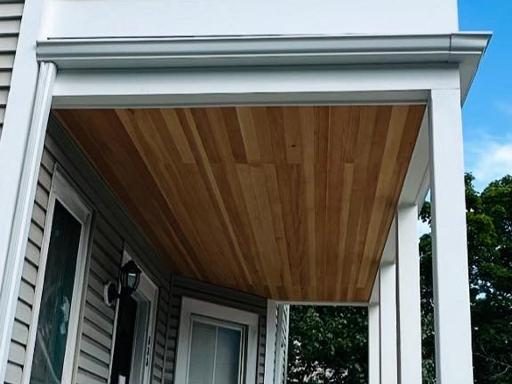
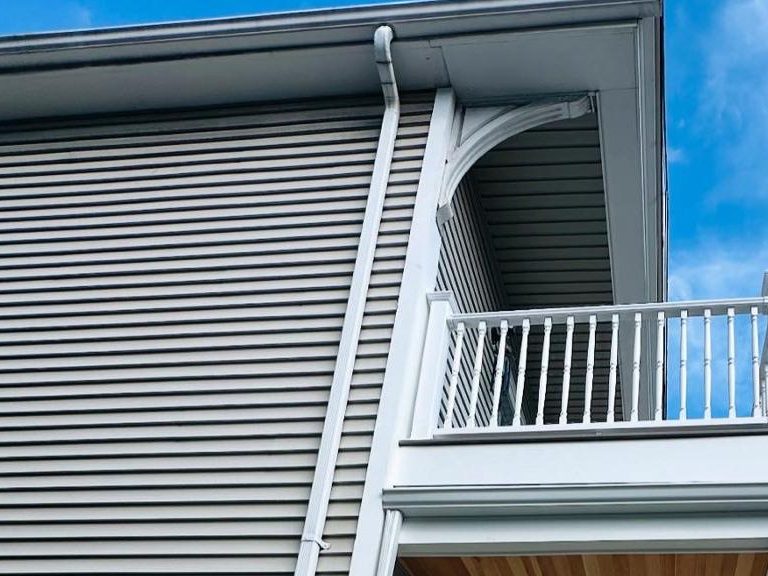
Recent decks work from Revere, Swampscott and neighboring towns.
Deck Building questions
Most attached decks and many freestanding ones need a building permit from your town. We prepare the drawings, submit them and schedule the footing and framing inspections as part of the project.
A typical 12x16 deck with stairs takes one to two weeks of work once the permit is approved and materials arrive. Larger or multi-level decks take longer, and weather can shift the schedule.
If you plan to stay in the house for many years and dislike staining, composite usually pays back through skipped maintenance. If budget is the priority or you enjoy a natural wood look, pressure-treated or cedar remains a solid choice.
Yes, when the frame passes inspection. We probe joists, beams and the ledger for rot and check the footings. If they are sound, new decking and rails on the existing frame can save a significant amount.
New pressure-treated lumber is wet. Most manufacturers recommend waiting until water soaks in rather than beading, often a few months. We tell you what to look for and can come back to stain it.
Framing and decking can continue in cold weather, but footings cannot be poured into frozen ground without extra steps. Spring and fall are the most efficient seasons, and winter is a good time to design and permit.
It can. We discuss height, board spacing and whether to leave part of the area open so basement windows still get daylight.
Where we offer decks
We work from Everett across Greater Boston, including Revere, Swampscott and the towns below.
- Everett
- Newton
- Weston
- Needham
- North Andover
- Wellesley
- Somerville
- Medford
- Brookline
- South Boston
- Swampscott
- Cambridge
- Revere
- Melrose
- Milton
- Hyde Park
- Malden
- Danvers
Ready to plan your project?
Tell us what you want to change. We will visit, measure and send a clear written estimate.